
If you are an artist who wants to play live, you definitely have a lot of questions about how everything works, including if you need to register your music and obtain permissions.
Let me explain how everything operates.
The only time you need permission to use someone else's song is if you're utilizing it for streaming or commercial purposes and making money from that use of the song. For example, when you need it for an advertisement, television show, or movie or if you are making an adaptation of their song. You do not need a license to play covers, why? Because in South Africa you don't earn royalties from covers.
Let’s understand licensing a bit more
A copyright holder of a musical work can grant or refuse a music license if they do not want their music used for commercial purposes such as being synced to Tv or advertisements. In order for a production company to obtain a license to use such a work they have to get permission from the copyright holder of the work.
What happens next?
Usually a discussion around using that song and if the artist is interested in proceeding further.
A synchronization agreement
A production company and an artist would both sign a synchronization contract. For a predetermined duration, such as three to six months, the production company is allowed to use the artist's music. It specifies how many episodes the song will appear in, how long it will play, and if it will serve as the main opener, middle, or outro. It continues by stating that in addition to sync royalties, the artist will also be paid an upfront fee.
A License agreement
It is simply an agreement that gives a music supervisor or production company permission to use your song in a TV, advertisement, or film, and after a certain period, they can no longer use the song in other ads or films and have to give you back your master.
NB: It is important to note that if your song is synced to TV and an agreement is signed, make sure you get cue sheets from the Line Manager so you can register the song on SAMRO with the correct episode information. Sometimes the production company will do this for you, but just in case, as an artist, it’s always a good rule of thumb to register the song on your side.
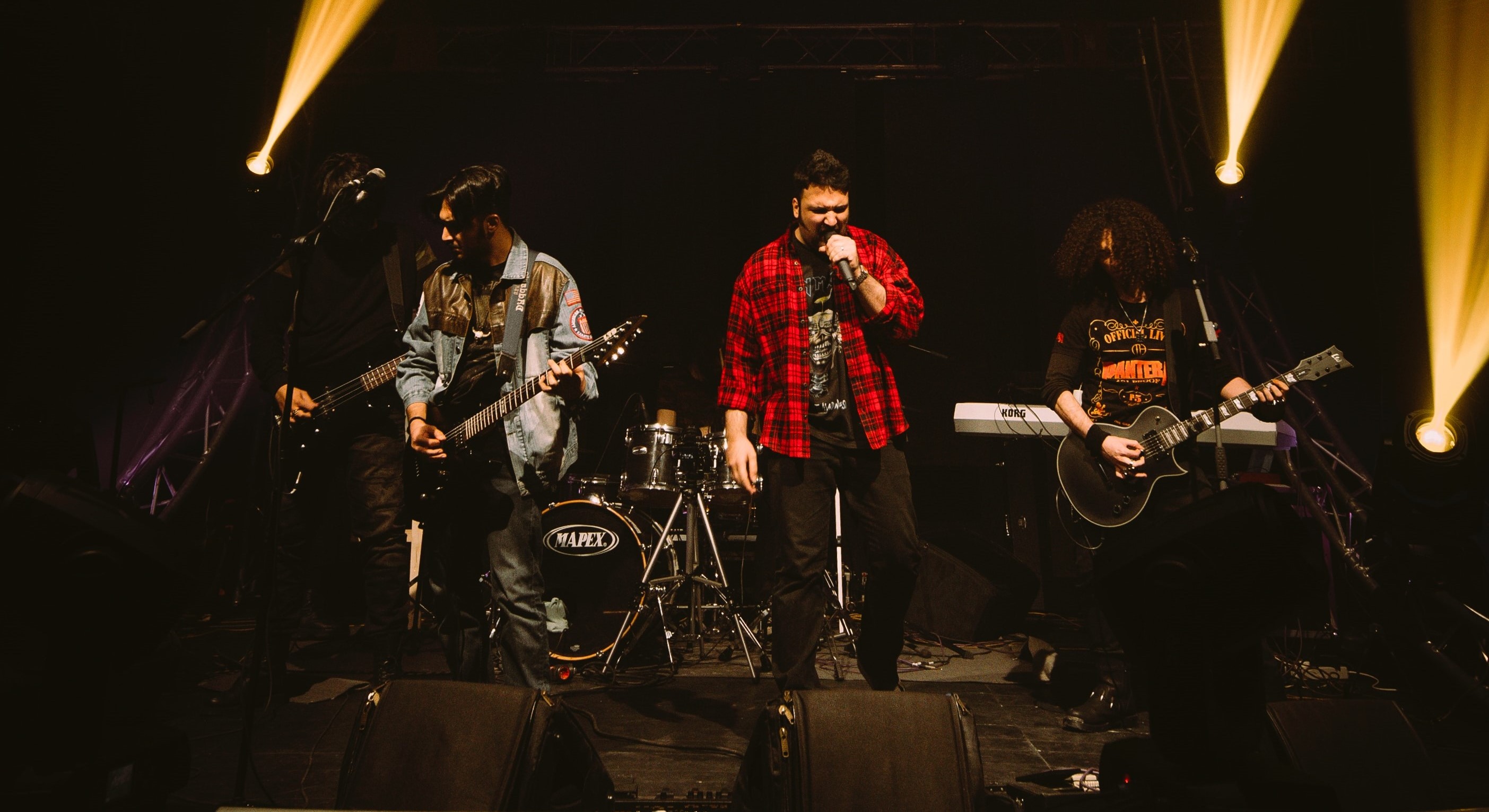
Concerning live performances.
Any venues where you perform original music must acquire what is known as a SAMRO blanket license. This implies that the venue must pay SAMRO annually for a license to play specific music and submit a report detailing the songs played to SAMRO. The event or venue is in charge of obtaining the license; you as the artist are not.
A Performance fee
This is a fee that is paid to you when you make a booking at a venue. This charge serves as the venue's guarantee that you will play there. You are still permitted to receive a performance fee even if you are performing covers and no original songs.
Performance royalties
These are fees that you receive when your music is played publicly, such as on radio, television, or at concerts. You are entitled to what is known as a live performance royalty, which is a royalty earned from you performing your song live, if you perform your own music at events where the venue is SAMRO licensed. If you as the artist play a cover you will not be paid a performance royalty.
Keep in mind that before any royalties are paid out from live gigs, you must perform at a significant number of concerts or venues that are SAMRO licensed.
It is important to understand how these live performances work so that you as an artist can collect as much on your royalties as possible.
The quick and easy solution?
The music business has a lot of moving parts! Although it is possible for you as an artist to keep track of your publishing and where your money is coming from, it is hard work to do alone! We assist artists with their publishing administration and ensure all of this complicated stuff is sorted on a monthly basis so you can focus on writing and performing music!
Get in contact with us and let us handle your publishing admin!